




13 Minutes reading time
Omnichannel means providing customers with a consistent experience everywhere—online, in apps, and in-store. This increases customer satisfaction and strengthens loyalty. In this article, you'll learn how omnichannel works and how it can benefit your business.
Key facts at a glance
- The omnichannel approach enables seamless integration of all sales channels and optimizes the customer experience through consistent communication.
- Implementing an omnichannel strategy requires a deep understanding of customer needs and central data management to personalize the customer journey.
- Future trends in omnichannel marketing, such as BOPISConcept and the use of AI will further strengthen the connection between online and offline channels and open up new sales opportunities.
What is meant by omnichannel?
Omni-channel means providing a consistent communication and customer experience across all channels. Key aspects of omni-channel include:
- The word “omnis” comes from Latin and means “everything” or “everyone,” which describes the comprehensive availability of channels.
- A key feature is the seamless integration of customer data, which is necessary for personalized communication across all channels.
- In contrast to the multichannel strategy, where the channels are independent of each other, Omni Channel offers an integrated use of all sales channels
- Omnichannel is clearly defined and omnichannel management is thereby optimized.
The omnichannel approach is based on the seamless merging of all marketing and sales channels, both online and offline. This enables an integrated user experience in which all channels work together in a coordinated and seamless manner. A consistent customer experience is crucial for the success of companies in the omnichannel environment, as the User experience by making information and services available across multiple channels. This increases customer satisfaction and promotes long-term customer loyalty. The benefits of the omnichannel approach should not be underestimated, with omnichannel commerce and marketing playing a central role. The omnichannel concept also contributes to increased efficiency.
The goal of an omnichannel approach is to provide customers with a consistent experience. A consistent omnichannel experience promotes customer loyalty and repeat purchases. In summary, the omnichannel approach is revolutionizing the way companies interact with their customers by creating a seamless, cross-channel shopping experience.
Omnichannel strategy
| Aspect | Declaration | business | Example / Application |
|---|---|---|---|
| Omnichannel | A holistic approach to seamless customer engagement across all channels. | Marketing & Distribution | Online & Offline |
| customer focus | Focus on consistent customer experiences instead of isolated channels. | Customer Experience | Uniform service |
| Channel integration | Networking of all communication and sales channels. | System landscape | Webshop + branch |
| customer journey | The entire customer journey across all touchpoints. | User experience | Research to purchase |
| Data centralization | Merging customer data from all channels. | Data Management | CRM |
| Personalization | Personalized communication based on customer data. | Marketing | Personalized offers |
| Consistent brand message | A consistent presence across all platforms. | Branding | Same wording |
| Touchpoint Management | Control of all contact points with the customer. | Marketing control | Chat, email |
| Technology stack | Systems used for channel linking. | IT & Tools | CRM, CDP |
| Marketing Automation | Automated, cross-channel processes. | Efficiency | Trigger emails |
| Cross-Channel Tracking | Tracking user interactions across channels. | Analysis | Purchase path |
| Service integration | Consistent customer service across all channels. | Support | Chat & Phone |
| Measurability | Analysis of the performance of all channels combined. | Analytics | KPIs |
| Scalability | Expandability to new channels. | growth | New platform |
| Practical examples | Typical use cases for omnichannel. | Application | Click & Collect |
How the omnichannel approach works
The omnichannel approach integrates various advertising channels such as physical stores, websites, mobile apps, and social networks to ensure a consistent experience. This integration allows customers to move seamlessly between channels across multiple channels. switch while maintaining control over the purchasing process. For example, a customer can research a product online, add it to their shopping cart in a mobile app, and finally pick it up in-store via mobile and online.
Centralized data management is crucial for the omnichannel approach to function. All data about customer interactions must be stored and updated to enable a seamless customer journey. This includes information such as order history, Preferences and interactions across different channels. This data integration enables companies to make personalized and relevant offers, increasing customer satisfaction and the likelihood of repeat purchases.
Optimize customer experience
Customer experiences are optimized by seamlessly switching between channels, ensuring customers always have the same level of information. This means that a customer can access the same information, regardless of whether they are on the website, in the mobile app, or in the physical store. This consistency is a key aspect of the omnichannel approach and helps to provide a consistent experience across channels. It promotes a unique experience, reaching customers and strengthening customer loyalty, as well as increasing sales. increase.
Omnichannel vs. multichannel and single-channel
The single-channel approach involves using a single channel, such as a physical store or online shop. This approach is now outdated because it doesn't meet modern customer demands. Customers today expect the ability to interact across multiple channels and switch seamlessly between them.
In contrast, the multichannel approach offers multiple channels. However, each channel operates independently. This approach differs in that each channel in multichannel marketing has its own communication strategy and there is no integration between them.
The omnichannel strategy, on the other hand, allows customers to switch seamlessly between different channels while retaining control over the purchasing process. The omnichannel approach strives for complete integration of all communication channels, thus providing a consistent and coherent customer experience. The omnichannel approach differs from multichannel in key respects, particularly in the type of channel integration and customer interaction.
Through seamless channel integration and coordination, companies can offer a consistent and personalized cross-channel shopping experience. This is particularly intended to strengthen customer loyalty and increase sales.
Compared to single-channel and multichannel, omnichannel offers clear advantages because it not only utilizes multiple channels, but also intelligently links them together to create a coherent and engaging customer experience.
Advantages of Omnichannel Commerce
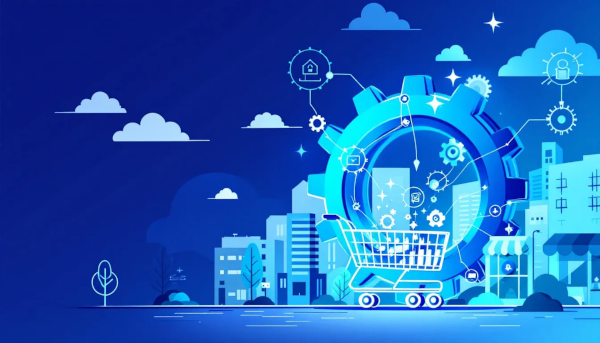
Using multiple sales channels increases sales by offering additional sales opportunities such as upselling and cross-selling. An omnichannel strategy leads to increased sales. In addition to increasing sales, it also leads to better customer loyalty and optimized inventory management, which increases the average order value. Through increased product availability and the integration of all customer touchpoints, companies can increase their efficiency while simultaneously enhancing customer satisfaction.
Another benefit of omnichannel commerce is increased customer loyalty through seamless shopping experiences across multiple retail channels and omnichannel commerce. Important factors include:
- Personalization in marketing, enabled by AI-supported systems, is a key factor in strengthening customer loyalty.
- Use of targeted marketing campaigns to attract new Attract customers.
- Better understanding of existing customers through targeted campaigns. The advantages of Omnichannel Commerce should not be underestimated.
Efficient resource utilization is enabled by using stores as decentralized fulfillment centers. This reduces delivery times and costs. This is beneficial for both the company and its customers. In summary, the omnichannel approach offers numerous advantages that can help companies strengthen their market position and ensure long-term success.
First steps to implementing an omnichannel strategy
Implementing the omnichannel approach requires:
- A deep understanding of customer needs and behaviors to better understand customers.
- That companies know the target group precisely in omnichannel marketing in order to enable a personalized customer journey.
- Clear objectives.
- The willingness to continuously adapt the strategy to respond to changing customer needs.
A key step in implementing an omnichannel strategy is:
- The optimization mobile usability.
- A customer data management system such as CRM from Pipedrive, is necessary for an effective omnichannel strategy.
- Companies should improve the customer journey through Analysis optimize channel usage and purchasing behavior.
- Regular measurement and optimization of results are crucial to make progress measurable and achieve specific results.
It's important to stay on top of technology and implement effective omnichannel solutions. Building an omnichannel strategy requires additional costs. However, the long-term benefits outweigh the initial investment. With proper planning and implementation, companies can fully leverage the advantages of omnichannel commerce and secure their long-term success.
Successful omnichannel examples from retail
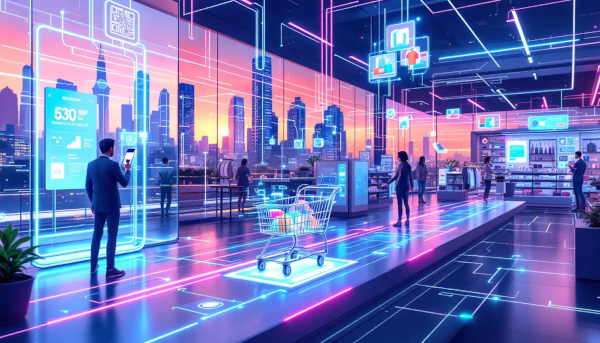
Examples of the use of modern technologies and strategies in companies:
- Disney uses wearable technology and mobile apps to personalize and enhance the Disneyland experience.
- Starbucks uses reinforcement learning to offer personalized order suggestions based on customer behavior and context.
- Media-Saturn uses Electronic Shelf Labels to keep price changes consistent online and offline.
- Calvin Klein combined an exclusive underwear line with Amazon to create a unique pop-up store shopping experience.
IKEA, Chipotle, Tchibo and Douglas use digital innovations in different ways:
- IKEA integrated Augmented Reality into its app to enable users to virtually place furniture in their living spaces.
- Chipotle optimized its online ordering system so that customers can pick up their meals from the restaurant at exactly the time they want.
- Tchibo uses an interactive app to recommend customers their ideal coffee bean through a quiz and offers flexible delivery options.
- Douglas improves customer loyalty through a loyalty program that integrates purchasing and reward point management.
Examples of omnichannel strategies from various companies:
- Thalia combines brick-and-mortar retail, online shop, and app, allowing customers to pick up online orders in 120 minutes.
- Kapten & Son uses a real-time data synchronization platform to improve customer service and provide omnichannel services.
- Nike increased its digital sales by 35 percent by integrating the Nike+ app, which offers personalized recommendations.
- Fooody4u optimized its omnichannel strategy with a headless platform that enables centralized content management across multiple channels.
Ralph Lauren uses a chatbot that offers personalized gift recommendations based on an online quiz. Apple creates highly personalized playlists and music recommendations by analyzing listening habits. These examples demonstrate how diverse and effective omnichannel strategies can be in increasing customer satisfaction and boosting sales.
Common misconceptions about omnichannel
First, some people think that omnichannel means offering the same products and services across all channels. However, this assumption is false, as omnichannel aims to provide a seamless and consistent experience across all channels, regardless of whether the products or services are identical.
Another misconception is that an omnichannel strategy is only suitable for large companies with extensive resources. In fact, small and medium-sized businesses can also benefit from a well-thought-out omnichannel strategy. Here are a few common misconceptions.
It's often believed that implementing an omnichannel strategy is very complicated and difficult to understand. While building such a strategy certainly presents challenges, companies can achieve success through gradual implementation and continuous adaptation.
A common myth is that omnichannel is a short-lived trend that will soon fade away. However, the reality is that there are a few common misconceptions about omnichannel that represent a long-term shift in retail and e-commerce, as well as in e-commerce and retail.
Many also believe that building an omnichannel strategy requires disproportionate investments in personnel and infrastructure. However, through efficient planning and resource utilization, costs can be controlled and benefits maximized.
Challenges in implementing an omnichannel strategy
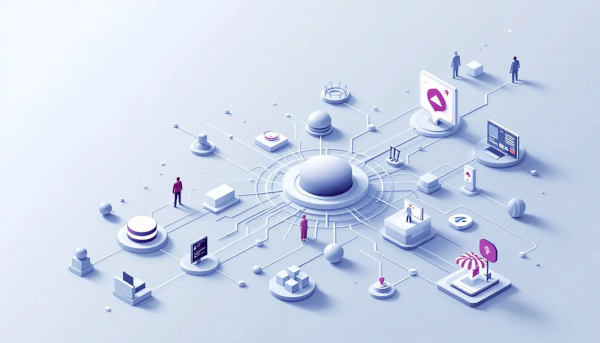
Companies must meet the following requirements to efficiently support multiple channels:
- Have the technology needed to efficiently support multiple channels and track data.
- Adapt the technical infrastructure frequently to effectively link all sales channels.
- Provide significant investment and technological expertise.
- Ensure adequate budget and staffing, as a lack of these represents a significant hurdle to implementing an omnichannel strategy.
Resources are required to manage the various aspects of an omnichannel strategy. This includes a coordinated team. Companies must ensure their employees are adequately trained to use the various channels effectively. Inadequate coordination between different departments can severely hinder the implementation of an omnichannel strategy. It is important that all departments work together and pursue a shared vision.
A lack of flexibility within the corporate structure can lead to adjustments to the omnichannel strategy not being implemented quickly enough. Companies often face difficulties when it comes to consolidating and consistently managing data from disparate sources. Despite these challenges, companies can fully realize the benefits of an omnichannel strategy through careful planning and implementation.
Future trends in omnichannel marketing
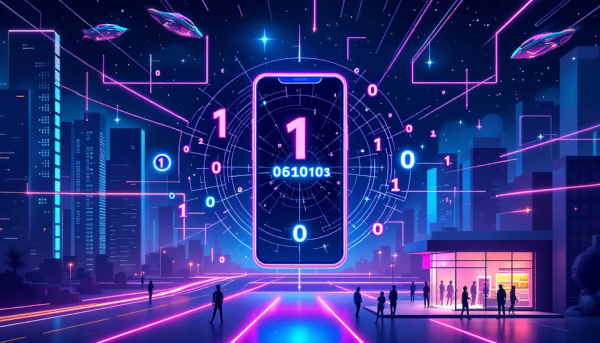
The BOPIS (Buy Online, Pick Up In Store) concept combines online shopping with quick in-store pickup, increasing customer satisfaction. The latest e-commerce trends in omnichannel marketing demonstrate increased integration of online and offline channels.
Innovative concepts such as BOPIS will become increasingly important in the future and significantly influence market development. Companies that embrace these trends early can secure a competitive advantage and encourage their employees to suggest additional items to expand their customer base. The use of Artificial intelligence and machine learning to personalize the customer experience will increase and help companies optimize their marketing strategies.
Finally, the importance of social media in omnichannel marketing will continue to grow. Platforms like Instagram and TikTok are increasingly being used as sales channels and offer companies the opportunity to expand their reach and interact directly with their target audience. The future of omnichannel marketing promises exciting developments and offers companies numerous opportunities to refine their strategies and better reach their customers.
Summary: Key takeaways about intuitive eating
In summary, the omnichannel approach represents a significant shift in e-commerce and retail. Through the seamless integration and coordination of all sales channels, companies can offer a consistent and personalized shopping experience that strengthens customer loyalty and increases sales. Despite the challenges of implementation, the long-term benefits significantly outweigh the risks. Companies that embrace omnichannel early and continuously adapt their strategies will be able to strengthen their market position and prepare for the future.
Frequently Asked Questions
What is meant by omnichannel?
Omnichannel refers to providing consistent communication and customer experience across all available channels. This promotes seamless interaction between the company and its customers.
How does omnichannel differ from multichannel?
Omnichannel differs from multichannel in that in omnichannel all sales channels are connected and work together seamlessly, whereas in multichannel the channels operate independently of each other.
What are the first steps necessary to implement an omnichannel strategy?
Implementing an omnichannel strategy requires a profound understanding of customer needs and careful Target group analysis essential. In addition, clear goals should be set and the strategy continuously adjusted.
What are common misconceptions about omnichannel?
A common misconception about omnichannel is that it requires offering the same products across all channels and that an omnichannel strategy is only suitable for large companies. In fact, the strategy should be customized to meet the specific needs and preferences of customers.
What are the biggest challenges in implementing an omnichannel strategy?
The biggest challenges in implementing an omnichannel strategy are technological requirements, budget and staffing constraints, and inadequate coordination between departments. These factors can significantly impact the effectiveness and success of the strategy.