






13 Minutes reading time
A blog allows you to share thoughts and knowledge online. How do you start and run a successful blog? This article provides practical tips for starting and running your own blog.
Key facts at a glance
- Blogs differ from traditional websites through regularly updated content and a dynamic structure that promotes reading flow.
- The success of a blog depends on the right choice of topic, the selection of the platform, optimized SEOstrategies and regular reader interaction.
- Monetization options such as advertising, affiliate marketing and selling your own products offer bloggers a variety of income opportunities.
What is a blog?
A blog, short for “weblog,” is a blend of the words “web” and “logbook.” These digital diaries provide a platform to share thoughts, experiences, and expertise. While personal blogs function as diaries in which bloggers document their hobbies and experiences, corporate blogs serve to promote products and services and strengthen the brand. A blog blog can be a valuable resource in this regard.
Blogs differ from traditional websites in their dynamic nature. While websites are often static and only updated occasionally, blogs are characterized by regular new content. This makes them particularly attractive to readers who are always looking for new information and stories.
Another important aspect of a blog is the blog post. These articles often include text, images and instructions and are arranged in chronological order. This structure promotes the flow of reading and gives the blog a magazine-like character.
Different types of blogs
Blogs can be divided into different categories, each of which appeals to a different target group. Personal blogs often serve as digital diaries in which bloggers share their thoughts and experiences. This type of blog enables an authentic exchange with readers and offers space for creative hobbies.
Corporate blogs, on the other hand, aim to promote specific products or services and increase brand awareness. The main differences between these types of blogs are the target audience and objectives, as well as the type of content shared.
Blogger: Tasks and Roles
Bloggers have a variety of tasks and roles. They not only write blog posts, but also maintain their website and increase its visibility. An essential part of their job is interacting with readers through comments, which encourages the exchange of ideas and feedback.
Blogging can also improve communication skills, as bloggers learn to express their thoughts clearly and engagingly. Blogging also offers monetization opportunities through advertising, affiliate marketing, and selling your own products.
Blog vs. website
The difference between a blog and a traditional website lies in the dynamic nature of the content. Blogs are characterized by regularly updated posts in style, while websites are mostly static and are only updated when necessary.
This continuous updating makes blogs particularly attractive to readers looking for new information.
The blog post
A typical blog post includes a mix of text, images, and personal experiences. This combination makes the post not only informative but also engaging and authentic to readers, enriching the reader experience.
Blog posts are often structured thematically and offer helpful instructions or explanations on specific topics. This structure allows readers to search for specific information and find it easily.
The chronological arrangement of the posts promotes reading flow and gives the blog a magazine-like feel. This structure keeps readers engaged and encourages them to return regularly to discover new content.
Why blog?

There are many reasons why people and companies blog. For individuals, a blog provides an opportunity to share thoughts, passions and expertise. Blogs allow people to make new connections and express themselves creatively.
For companies, a blog is a powerful tool to increase online visibility and attract new customers. Regular new posts are crucial to attracting readers and retaining them in the long term. In addition, interaction with the community promotes engagement and the success of the blog.
Personal reasons
Blogging can be done for many personal reasons. Many bloggers simply enjoy writing and sharing their thoughts and hobbies. The personal writing style and regular new entries are characteristic of personal blogs.
Interaction with readers can be increased through discussions and building a subscriber base. Readership can also be increased through promotion on social networks.
Business benefits
A blog offers numerous business benefits. It increases a company's visibility on the Internet and helps to attract new customers. Through relevant content, a blog can build trust with the target audience and position the company as an expert in the industry.
Blogs are also an effective way to provide tips and knowledge to potential customers, which builds trust and encourages purchasing decisions. Additionally, blogs can convert traffic into business through custom call-to-actions and lead forms.
Detailed reports on the types of content with the best return on investment (ROI) help companies determine the success of their blog content and adjust their strategy accordingly.
How do you start a blog?
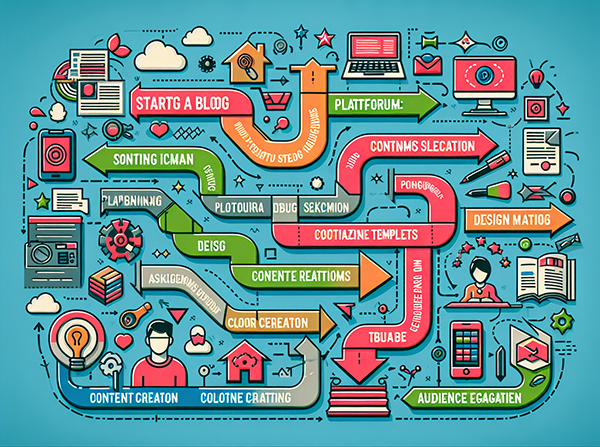
Starting a blog begins with choosing the right topic, which requires both passion and expertise. Careful planning of the topic and creating an editorial calendar are crucial for long-term success.
Choosing a blog provider is an important step, as different blog providers offer different features and pricing structures. The name of the blog should be descriptive and immediately tell readers what it is about.
Once you have decided on the topic and provider, you can choose from over 200 free templates or create your own template to create a blog. These first steps lay the foundation for a successful blog.
Select platform
Choosing the right platform is crucial when starting a blog. Popular free blogging platforms like WordPress.com and Blogger offer an easy way to start blogs for free, but features are often limited.
Wix is another option that offers unlimited free use. It is important to note the possible additional costs for web hosting, custom domains, blog design, SEO tools and professional photos.
Domain and hosting
A custom domain and the right hosting are crucial for the success of a blog. Hosting refers to the storage space provided on a server for the website. A custom domain improves discoverability and is remembered.
The cost of a blog can range from zero euros for free platforms to 50 to 100 euros per year for web hosting and domain. Beginners can choose between self-hosting and providers with hosting included. A self-hosted blog offers the greatest independence and customization options.
Design and templates
An attractive design is important to ensure user-friendliness and not to scare away readers. The design of a blog can be customized using templates and a visual editor, which is especially helpful for beginners.
Blog design kits often offer a consistent look that should stand out from other blogs. A well-designed blog can increase reader friendliness and keep visitors coming back.
SEO and traffic strategies

A targeted one SEO strategy: is essential to increase a blog's visibility in search engines. This includes keyword research, on-page SEO techniques, and using social media to promote blog content.
It is important to research both short and long term keywords to better reach the target audience. On-page SEO techniques such as meta descriptions and alt texts improve visibility and user experience.
By implementing keyword research and On-page SEO Blogs can increase their traffic significantly. Additionally, using social media to distribute blog content can increase reach and traffic.
Keyword research
A targeted one Keyword research helps increase a blog's online visibility and traffic. Tools like BuzzSumo help bloggers find popular topics that are shared on social media.
By selecting relevant keywords, bloggers can effectively target their audience and increase the visibility of their content. Long-tail keywords are especially useful for targeting a niche audience.
On-page SEO
On-page SEO techniques are crucial to increasing a blog's visibility in search engines. These include meta descriptions and alt texts that help improve user experience and increase search engine rankings. Including keywords in headings and meta descriptions also helps improve search engine rankings.
Internal linking not only improves the user experience, but also SEO optimization. By linking to relevant content within the blog, readers can delve deeper into the topic and stay on the website longer, which has a positive effect on search engine rankings.
Social Media and Promotion
Social media plays an important role in promoting blog content. Sharing blog posts on social networks can significantly increase a blog's visibility and traffic. Interacting with the community through social networks can expand a blog's reach and attract new readers.
Automated postings on social media platforms help maximize audience engagement and Traffic to the website Tools like Sprout Social allow you to plan and automate the publication of blog posts, thus contributing to efficient promotion.
Monetization opportunities

There are several ways to monetize a blog. Bloggers can earn money from their blog by placing advertisements, doing affiliate marketing, or selling their own products and services.
Monetization can vary greatly, ranging from a few euros to five-figure amounts per month, depending on various factors such as the size of the readership and the type of monetization. A well-thought-out monetization plan can help turn a hobby blog into a lucrative source of income.
advertisements
Advertisements are a common method of monetizing blogs. Google AdSense allows bloggers to earn money by clicking on ads. These ads are automatically displayed on the website and generate revenue when visitors click on them.
In addition to Google AdSense There are also other advertising networks that bloggers can use to generate revenue. Choosing the right advertising network depends on the target audience and the specific needs of the blog.
Affiliate Marketing
Affiliate marketing is another popular method of monetizing blogs. Bloggers receive a commission for buyers who purchase through special Links click on their blog and make a purchase. Amazon PartnerNet is one of the most popular affiliate programs and allows bloggers to generate income through product sales.
By inserting affiliate links into blog posts, bloggers can increase their earnings. It is important to provide transparent and honest recommendations to gain the trust of readers and achieve long-term success.
Own products and services
Selling your own products and services offers a variety of ways to generate income. Bloggers can sell merchandise like t-shirts, mugs, or stickers, especially if they have a dedicated following.
E-books are another popular way to monetize expertise and create additional value for readers. Additionally, bloggers can offer personal services such as consultations, workshops or courses to directly interact with their community and generate revenue.
Important tools and resources
To run a successful blog, various tools and resources are essential. Content management systems (CMS) like Wix offer built-in features for blog creators, including design, visual editor, and SEO recommendations. A variety of analytics tools allow bloggers to monitor blog traffic and analyze reader interests.
These tools help maximize blog success and continuously improve content. By using CMS and other resources, bloggers can increase their efficiency and achieve their goals faster.
Content management systems
Content management systems (CMS) are essential for creating and managing blogs. Popular CMS platforms like WordPress and Wix offer different features and ease of use that are suitable for both beginners and advanced users.
WordPress is known for its extensive customization options and plugins, while Wix is appreciated for its ease of use and quick creation of websites. Choosing the right CMS depends on the individual needs and technical know-how of the blogger.
SEO tools
SEO tools are crucial to increasing the visibility of blog content. The Google Keyword Planner helps bloggers research relevant search terms for SEO optimization. Long Tail Pro provides detailed information on keywords and allows them to be filtered according to various criteria.
By using these tools, bloggers can optimize their content and increase traffic to their blog. SEO tools are therefore an indispensable part of the blog strategy.
Analysis Tools
Analytics tools are crucial for bloggers to monitor the success of their content and user behavior. Google Analytics allows bloggers to track the performance of their content and user behavior on the blog.
With pre-configured reports and dashboards, bloggers can effectively track and analyze the success of their blog. These insights are valuable for adjusting strategy and continuously improving content.
Create a blog with WordPress
Creating a blog with Wordpress is simple and offers numerous customization options. The first step is to create an account and choose a suitable name for the blog that reflects the content. After creating the blog, a domain can be registered, which is often free for the first year, depending on the plan chosen.
The first post should contain information about the blogger and the purpose of the blog to invite readers to follow the blog. WordPress allows you to customize the design of posts and create different categories for special content.
To attract readers, you can add a subscribe button to the blog and share it on social networks. These steps will help you build an engaged readership and launch the blog successfully.
Summary: Key takeaways about intuitive eating
Blogging offers numerous opportunities, whether as a hobby or as a business tool. With the right strategies, bloggers can build an engaged readership, increase their visibility online, and even generate revenue. Choosing the right theme, platform, and design, along with effective SEO and monetization strategies, are critical to success.
We hope this guide has given you the tools and knowledge you need to start and successfully run your own blog. Get inspired by the many possibilities and start blogging today!
Frequently Asked Questions
What is the difference between a blog and a website?
The main difference between a blog and a website is the freshness of the content: a blog is regularly updated with new posts, while a website usually contains static information.
Which platforms are best for beginners?
For beginners, WordPress.com, Blogger and Wix are best as they are user-friendly and offer basic features. These platforms make it much easier to get started.
How can I monetize my blog?
To monetize your blog, consider advertising, affiliate marketing, and selling your own products or services. These strategies will help you generate revenue and make your blog financially sustainable.
Which SEO tools are useful for bloggers?
For bloggers, Google Keyword Planner and Long Tail Pro are useful SEO tools as they help with keyword research and optimization. These tools can be crucial for the visibility of your content.
How can I get more traffic to my blog?
To increase traffic to your blog, you should conduct targeted keyword research, use on-page SEO techniques, and actively promote your content through social media.