





14 Minutes reading time
What is Content Marketing and how can it help your business succeed? Content marketing means creating valuable content to attract and retain customers. Our SEO agency takes over the creation of high-quality content and SEO texts for her.
In this article you will find the most important strategies and tips for successful content marketing.
Key facts at a glance
- Content marketing is a long-term strategy for Lead-Generation and brand loyalty through high-quality content that builds trust.
- The difference between content marketing and traditional marketing lies in the focus on the needs of the target group and the continuous provision of relevant content.
- Changing trends, such as the use of artificial intelligence and content recycling, are shaping the future of content marketing and require companies to be adaptable.
What is content marketing?
Content marketing is a marketing method that is particularly effective in the B2B sector. It involves addressing, engaging and ultimately converting a clearly defined target audience through the creation and distribution of high-quality content. The main goals of content marketing are lead generation, improving brand awareness and promoting customer interaction and loyalty.
A central aspect of content marketing is the trust that is built through high-quality content. Trust is the basis of every successful customer relationship and a decisive factor in purchasing decisions. High-quality content offers added value by informing, benefiting or entertaining and thus strengthening customer loyalty.
The Content Marketing Institute defines content marketing as a strategic marketing technique that involves creating and distributing valuable, relevant and consistent content to attract and retain a clearly defined audience. The content marketing definition states that it is not a one-time campaign, but rather an ongoing marketing method designed for the long term.
The History of Content Marketing
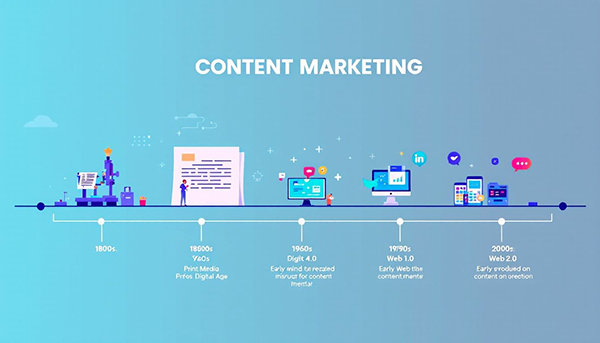
The concept of content marketing is by no means new; it gained traction in the late 19th century when brands began producing their own magazines and guides. A notable example from this period is John Deere's "The Furrow" magazine, which provided useful information to farmers while strengthening the brand in the market.
However, the term “content marketing” was not popularized until 2001 by Joe Pulizzi, who founded the Content Marketing Institute. Since then, this institute has played a key role in promoting and developing the understanding and practice of content marketing worldwide.
With the introduction of social media in the mid-2000s, content marketing experienced a revolution. Social media offered new channels to Target groups to interact and distribute content. This development has made content marketing a central component of inbound marketing, which aims to generate organic leads and strengthen customer loyalty.
Content Marketing vs. Traditional Marketing
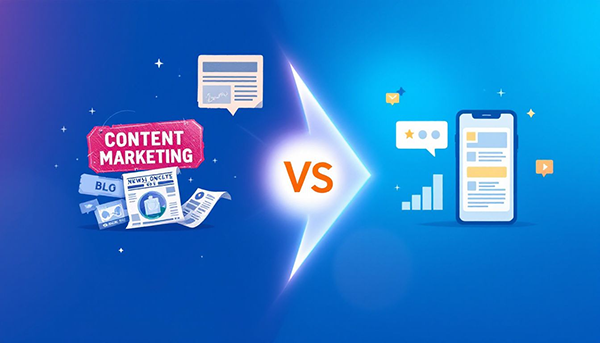
Content marketing is fundamentally different from traditional marketing. While traditional marketing is often product-centered and relies on paid advertising, content marketing focuses on the needs of the target group and offers free reach through valuable content. This content should not only inform, but also entertain and provide benefits in order to gain the trust and loyalty of customers.
Another key difference is continuity. Traditional marketing often relies on one-off campaigns, while content marketing provides a continuous flow of information. This continuous presence helps to increase competitiveness and achieve a leading market position.
Company positioning plays a crucial role in content marketing to create a consistent brand experience across all content. At a time when consumer attention spans are decreasing, it is more important than ever to offer content that is truly relevant and engaging.
Goals in Content Marketing
Content marketing has several main goals that focus on strengthening the brand and generating leads. One important aspect is that users share content to increase brand awareness. By sharing valuable and relevant content, the brand's reach is expanded organically and new audiences are reached.
Another key goal is to build long-term customer relationships through valuable content. By continuously providing useful and interesting content, companies can gain customer trust and build strong relationships. This ultimately leads to greater customer loyalty and long-term business success.
An effective content marketing strategy should focus on identifying the target audience and their needs. Only by understanding the target audience in depth can content be created that is truly relevant and engaging. This requires careful planning and research to identify the right topics and formats.
Developing a Content Marketing Strategy
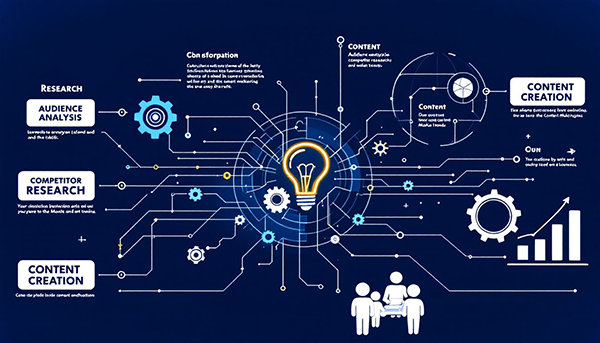
Developing an effective content marketing strategy starts with setting specific and measurable goals. Without clear goals, the effectiveness of the strategy can be significantly compromised. A clear planning process is necessary to continuously produce high-quality content and identify relevant topics.
Specific content should be provided for each stage of the customer journey to effectively engage potential customers. This means that content must be designed to address the needs and questions of customers at different stages of their purchase decision. User experience (Content UX) is crucial to present content in a structured and appealing way.
Another important aspect is to regularly review and adapt the strategy. The needs and preferences of the target group can change and it is important to remain flexible and responsive. By continuously monitoring and analyzing performance, companies can optimize their strategies and ensure that they achieve their goals.
Content Types in Content Marketing
Content marketing encompasses a variety of content types, each with different benefits and challenges. This diversity allows companies to target different audiences and present their content in different ways.
The most important types of content include text content, video content and audio content.
text content
Text content such as blogs and articles encourage engagement and interaction with the audience. They allow for deeper exploration of topics compared to visual content and offer the ability to provide detailed information and analysis, including e-books.
However, creating text content often requires more time and effort than visual content. Nevertheless, they are an essential part of any content marketing strategy, as they not only serve to SEO but also strengthen the trust and authority of the brand.
video content
Video content conveys movement and emotion, making it an extremely effective tool in content marketing. Videos appeal to both visual and auditory senses, thereby generating strong emotional responses. This makes them particularly suitable for storytelling and the visual representation of concepts and ideas.
Effective video marketing often includes a clear A kind requestto encourage viewer interaction. By properly placing and designing videos, companies can capture the attention of their target audience and motivate them to take desired actions.
Audio content
Audio content, including podcasts, is becoming increasingly important in content marketing. Despite its potential, audio content is often seen as an underestimated format in content production.
Podcasts offer a unique opportunity to build deeper, more personal connections with listeners. They're great for presenting complex topics in an accessible format and showcasing brand expertise.
content management processes
An effective content management process includes the stages of creating, organizing and distributing content. A clear workflow is crucial to manage the entire process from planning to publishing. Content management support tools help plan, create and manage content, ensuring consistent brand communication.
An editorial calendar is an indispensable tool for organizing all the information collected and planning the content marketing campaigns. It helps to keep track of planned and published content and to ensure that all actions are in line with the overall strategy.
Automation tools can streamline the content management process by taking over routine tasks like content distribution, saving time and resources and allowing the team to focus on more creative and strategic tasks.
SEO in Content Marketing
Search engine optimization (SEO) plays a crucial role in content marketing by improving the visibility of content in search engines. Text-based content such as blogs and articles is essential for effective SEO strategies. Not only Backlinks are important, but also high-quality and search engine optimized content. The use of relevant keywords and the optimization of Meta Tags are crucial for the findability of content.
Internal linking strengthen the structure of a website and improve its ranking in search engine results. In addition, the loading speed of a website affects both the user experience and the SEO ranking. A well-optimized website attracts more organic traffic and increases the chances of conversions.
AI can also help increase the visibility of content in search engines through improved SEO strategies. By analyzing user data and predicting search trends, companies can tailor their content and continuously improve their SEO performance.
Social media in content marketing
Social media plays a central role in content marketing by allowing companies to distribute their content across different platforms and interact directly with their target audience. Cross-channel communication is crucial; content should not be isolated on individual platforms, but should be viewed as part of a holistic online marketing strategy.
Creating diverse content formats, including images, videos, and written posts, can appeal to different audiences and increase overall engagement. Authenticity in content creation fosters a genuine connection with audiences, increasing the likelihood that they will interact with the brand.
A regular posting schedule helps keep audiences engaged and can be measured by frequency and interaction patterns. It's important to choose the right social media platforms, as different demographics interact more actively on certain networks.
Learn more about effective Social Media Strategies.
Measuring Success in Content Marketing
The measurability of success in content marketing through KPIs such as engagement and conversions is more precise than in traditional marketing. The click-through rate measures how often links in the content are clicked, which indicates the effectiveness of the placement and text.
Bounce rate indicates how many visitors leave the page immediately, which can indicate potential problems with the user experience. It is important to analyze existing content performance to define future content marketing goals.
Regular reviews and analyses of content performance are necessary to continuously adapt and improve strategies. By monitoring the set goals, companies can make timely optimizations and ensure that their campaigns are successful.
Content Marketing in the B2B Sector
A key goal for B2B content marketing is to use content to generate inbound leads and increase conversion rates. By creating awareness content, companies can gain attention and effectively address their target audience. Inbound marketing is used to convert leads into customers and optimize the customer journey.
A high level of trust is particularly important in B2B content marketing, as the products and services often have a high value. Personalized content that is individually designed through data-driven strategies and automation helps to build this trust. An example of successful B2B content marketing is the use of explainer videos to make complex topics understandable.
Content production planning should be diversified to appeal to different audiences and stages of the customer journey. This includes creating interactive content to engage the target audience and using podcasts to position brands as industry leaders and build a community.
Content Marketing in the B2C Sector
In B2C marketing, it is crucial to build an emotional connection with consumers to influence their purchasing decisions. Storytelling is considered one of the key methods in B2C marketing to appeal to customers emotionally and strengthen their brand loyalty.
Campaigns based on personal values and experiences are particularly effective in B2C content marketing. Personalization will play a central role in the future to better address individual customer needs and increase conversion rates.
Authenticity in brand messages is also crucial for customer loyalty in the B2C sector. Sustainability and corporate social responsibility are other important aspects for building trust with consumers and promoting long-term customer relationships.
Artificial Intelligence in Content Marketing
Artificial intelligence (AI) can significantly increase efficiency in content marketing by automating and personalizing processes. By analyzing customer data, AI enables targeted adaptation of content and more accurate predictions about consumer purchasing behavior.
Integrating AI into existing marketing processes requires clear goal definition and continuous monitoring of performance, as well as human oversight to ensure quality. This helps maximize the effectiveness of the content marketing strategy and ensure that the content remains relevant and engaging.
When implementing AI in content marketing, ethical issues must also be considered, especially regarding data privacy and potential disinformation. It is important to establish transparent and responsible practices to maintain customer trust.
Avoid common mistakes in content marketing
A common mistake in content marketing is not creating clear audience personas. This mistake leads to poor content relevance and can significantly impact campaign effectiveness. To avoid this, companies should develop detailed audience personas that target demographic information, interests, and behaviors of the audience.
Another common mistake is the lack of a clear content strategy. Without a clear plan and specific goals, it can be difficult to produce consistent and relevant content. Companies should therefore implement a structured planning process and regularly review and adjust their strategy.
It is also important to continuously monitor and analyze content performance. Many companies neglect this and miss the opportunity to optimize their strategies and achieve their goals. By regularly analyzing and adjusting, companies can ensure that their content marketing campaigns are successful.
Content Marketing Trends 2025
Content marketing is constantly evolving and is shaped by new technologies and changing user habits. One of the most important trends for 2025 is the increased use of AI and automation, which are fundamentally changing the way content is created and distributed.
Content cleanup and recycling will also become more important to improve content quality and remove outdated content. Companies should regularly review and update their content to ensure it remains relevant and valuable.
Keeping these trends in mind is critical to success in content marketing in the future. Companies that adapt and leverage these new technologies and strategies will be able to stay competitive and effectively engage their audiences.
Summary: Key takeaways about intuitive eating
Content marketing is a powerful tool for building trust, retaining customers and increasing brand awareness. It requires careful planning and a clear strategy to be effective. Developing a content marketing strategy starts with identifying your target audience and their needs and includes creating high-quality content, continuously improving it and measuring success.
Different types of content – text, video and audio – offer different benefits and can be used to reach different audiences. Effective content management and the use of SEO and social media are crucial to maximizing the reach and impact of content.
Future trends such as the use of AI and the importance of content cleanup and recycling will continue to shape content marketing. Companies that take these trends into account and continuously adapt will be able to remain successful and achieve their goals.
Frequently Asked Questions
What is content marketing?
Content marketing is an effective marketing strategy that aims to reach a specific target audience and convert them into paying customers by creating and distributing high-quality content.
What are the main goals of content marketing?
The main goals of content marketing are lead generation, increasing brand awareness, and driving customer engagement and loyalty. These aspects are crucial to the long-term success of a business.
How is content marketing different from traditional marketing?
Content marketing differs from traditional marketing in that it focuses on the needs of the target audience and provides valuable content, whereas traditional marketing is often product-oriented and relies on paid advertising.
What role does SEO play in content marketing?
SEO is essential in content marketing because it increases the visibility of content in search engines and thus increases organic traffic. An optimal SEO strategy: is therefore essential for the success of content marketing.
How can artificial intelligence be used in content marketing?
Artificial intelligence can be used in content marketing to automate processes, personalize content, and make more accurate predictions about purchasing behavior by analyzing customer data. This significantly increases the efficiency and effectiveness of your marketing strategies.