





13 Minutes reading time
a strong one Brand image is crucial to a company's success. It describes the totality of customer impressions of a brand. In this article, we'll show you how you can improve your brand image with targeted strategies.
Brand image explained
| Attribute | Information |
|---|---|
| Concept | Brand image |
| Definition | Brand perception in the minds of the target group |
| Objective | Building a positive brand image |
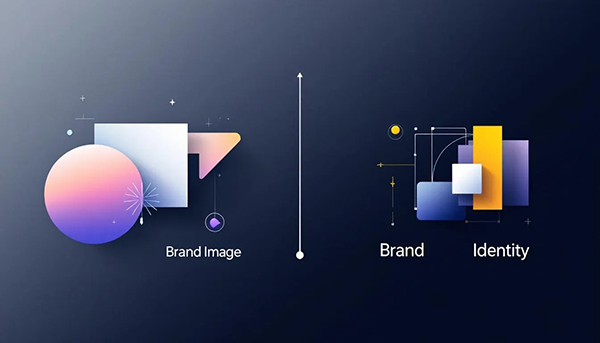
| demarcation | Not the same as brand identity |
| brand identity | Brand self-image |
| Brand image | External image of the brand |
| factors | Communication, design, experience |
| Target groups | Customers, prospects, public |
| Emotional impact | Trust & Sympathy |
| Rational effect | Quality & Competence |
| communication channels | Advertising, social media, PR |
| Produktqualität | Strong image factor |
| Customer service | Shapes perception |
| consistency | Uniform appearance |
| Storytelling | Emotional brand building |
| Touch Points | Every contact counts |
| Online reputation | Ratings & Comments |
| Social Proof | Recommendations & References |
| Measurability | Surveys, brand studies |
| Short-term effect | Attention |
| Long-term effect | Brand loyalty |
| Competitive advantage | differentiation |
| brand trust | central role |
| Relevance in marketing | Very high |
| Typical mistakes | Inconsistent messages |
| Best Practice | Clear brand positioning |
| Care | Continuously |
| Influence on purchase | High |
| context | Brand & Loyalty |
| Branding goal | Recognizability |
| Long-term benefits | Strong brand |
Key facts at a glance
- Brand image encompasses customers’ perceptions and feelings about a brand and is crucial for their loyalty and long-term business success.
- A clear alignment between brand image and brand identity helps to avoid consumer confusion and strengthens customer trust.
- Targeted strategies to improve brand image, such as consistent brand communication and leveraging customer feedback, are crucial for a company's competitiveness.
What is brand image?
Brand image encompasses all the feelings and perceptions a customer has of a brand. It thus describes the customer's definition of the brand as a whole. It reflects external perceptions and encompasses both functional and emotional aspects of the external impact. These perceptions, feelings, and impressions arise from various interactions with the brand, be it through advertising, social media, purchasing experiences, or customer service. The expression of these impressions is crucial for brand perception and the eyes of customers.
A strong brand image is characterized by differentiation, relevance, and consistency. It can significantly increase customer recall. increase, as strong associations with the brand are formed. Emotional aspects of the brand image can include feelings such as enthusiasm, trust, and belonging, which promotes customer loyalty to the brand.
Every interaction with the brand—be it the purchase of a product or the design of customer touchpoints—shapes the brand image. When customers buy something with your brand, they acquire not only the product but also the image behind it. Therefore, brand image is a central aspect of modern Marketing strategies and crucial for the long-term success of a company.
Difference between brand image and brand identity
While the brand image describes the external perception of a brand, the brand identity on a company's internal self-image. Brand identity encompasses the values, culture, and personality within the company and forms the basis for all marketing activities. A clear self-image contributes significantly to strengthening the brand image.
Aligning brand image and brand identity is crucial to avoid consumer confusion and maintain customer trust. A clear brand strategy enables companies to Target groups to target customers and build long-term relationships. A strong brand image can therefore increase a company's long-term competitiveness by improving its market positioning.
A strong brand image is the result of a coherent and consistent brand identity. When a company's values and culture are clearly defined and communicated externally, consumers can recognize these elements in their perception of the brand and build trust. Therefore, the close connection between brand image and brand identity is a key factor for success in brand management.
Why a strong brand image is important

A strong brand image has a significant influence on consumer purchasing decisions and increases brand awareness. It not only contributes to increasing brand equity but also fosters long-term customer loyalty. Companies with a strong brand image can charge premium prices, which increases profitability.
In the long term, a successful brand image leads to stronger customer loyalty and higher sales. It increases brand awareness, strengthens customer loyalty and can lead to increased sales. These benefits highlight the importance of a consciously designed and maintained brand image.
A strong brand image also influences business success by improving market positioning and creating competitive advantages. The following subsections will discuss the aspects of building trust and branding, as well as achieving competitive advantages, in more detail.
build up trust
An improved brand image leads to:
- greater customer trust
- increased willingness to pay of customers
- Preference for well-known brands and increased product search
- positive influence on purchasing behavior
- Supporting customer loyalty through emotional bonds
- increased likelihood of repeat purchases and more.
The brand image articulates the emotions, impressions and experiences of consumers. By designing these aspects, a company can build the trust of consumers. win customers and build long-term relationships. This is an essential component of a successful brand strategy based on the company's values, brand equity, and culture. Brand image plays a crucial role in this.
Achieve competitive advantages
A strong brand image increases brand awareness, which can create a decisive competitive advantage. Companies with a positive brand image can differentiate themselves from the competition and establish a stronger market position. This leads to higher customer loyalty and increased sales.
To improve brand image, consistent brand communication should be ensured across all channels. Collecting and analyzing customer feedback can help continuously improve brand image.
The visual identity must be strengthened because Design and logo contribute significantly to brand perception. By implementing these strategies, a company can improve its brand image and differentiate itself from the competition.
Strategies to improve brand image

The first step to improving your brand image is a thorough Analysis of the current status quo. Several key factors are crucial for building a brand image:
- Careful planning
- Well-thought-out strategies
- Coherent implementation
- Klare Design of the logo
- Communication of values
- Quality of products and services
These factors are crucial for a strong brand image.
An optimized brand image is a crucial factor for customer loyalty. It's important to regularly review the brand personality to ensure it resonates with customers and remains relevant. Creative campaigns can be successful if you're willing to break away from the mold and use the right medium.
The following subsections will discuss in more detail the aspects of consistent brand communication, leveraging customer feedback, and strengthening visual identity.
Consistent brand communication
Consistency in brand communication across all channels strengthens credibility and consumer trust. Inconsistent brand messaging can undermine customer trust and jeopardize brand credibility. It's critical that all communication channels convey a consistent brand message to avoid confusion.
Brand guidelines help ensure a clear and consistent brand message across all channels. A positive brand image can be solidified through consistent corporate communications. The lack of clear brand guidelines can lead to inconsistent messaging in communications.
Use customer feedback
Regularly evaluating customer feedback helps companies better respond to consumer needs and optimize their brand image. Focus groups can provide valuable insights into brand image perceptions by collecting qualitative feedback from customers. The needs and interests of the target audience should be regularly reviewed to ensure relevant marketing measures.
Precise target audience analysis enables companies to develop tailored, more effective marketing strategies. Additional research and the use of appropriate tools are necessary to gather relevant information about the target audience. This contributes to continuously improving the external perception of the brand.
Strengthening Visual Identity
A consistent visual design that reflects brand values can significantly strengthen the brand image and create recognition. Apple, for example, presents its products as functional, aesthetically pleasing, and user-friendly. Neglecting brand names and visual identity can lead to confusion with other brands and a weakened image.
Advertising campaigns that feature natural colors and happy families, like Cabela's, convey a strong brand image. The visual identity should be regularly reviewed and adjusted to ensure it clearly communicates the brand personality and values so everyone understands the identity.
Successful examples of strong brand images

Companies like Whirlpool and Zappos demonstrate how creative branding and customer service contribute to creating a strong brand image and outstanding service. Whirlpool has built a brand image based on familiarity and reliability. Zappos plays an important role in its success, known for its impressive customer experience and outstanding customer service.
Zappos offered support during the pandemic and made customer service representatives available at all times. Zappos' brand image is perceived as trustworthy, caring, and thoughtful, which also resonates with the human psyche. Other examples of successful brand images include Lamborghini and Powerade, which have established themselves in their respective markets, while their images are strong.
The following subsections will discuss Apple and Nike’s success strategies in more detail.
Apple
Apple pursues a strategy focused on innovation, quality, and simplicity. Apple products are characterized by functionality and aesthetic appeal. They are also designed to be user-friendly. This clear and consistent brand image has made Apple one of the most recognized and trusted brands in the world.
The design and usability of its products are crucial factors that shape Apple's brand image. Through constant innovation and the pursuit of perfection, Apple has built a strong emotional bond with its customers.
Nike
Nike Nike positions itself strongly in the area of inspiration and performance to create a dynamic brand image. By emphasizing performance and motivation, Nike specifically appeals to athletically active people and creates a strong emotional connection with its customers.
Nike's brand image is supported by powerful advertising campaigns and the iconic "Just Do It" motto. These elements have made Nike one of the world's leading brands in sportswear and equipment.
Measuring and monitoring brand image
Brand image can be measured through brand perception surveys. This measurement is important for evaluating the brand strategy and making possible adjustments. Regular monitoring of brand image helps identify trends and changes and adjust the brand strategy accordingly.
A strong brand image increases the likelihood that customers will recommend the brand. Trustworthy brands encourage customers to recommend the brand. When analyzing the current brand image, both positive and negative aspects should be considered.
The following subsections will discuss in more detail the methods for measuring brand image and the importance of data analysis.
Surveys and feedback tools
Surveys are an effective tool for achieving better market alignment and optimizing brand presentation. Various methods can be used to analyze the current brand image, including:
- Polls
- Focus groups
- Social media analytics
- Review of customer reviews
Brand perception surveys should be tailored to the company, industry or product.
When analyzing survey results, attention should be paid to the attributes customers are looking for and the associations they have with your brand. Regular customer surveys are crucial for monitoring the changing brand image and collecting up-to-date feedback on brand perception.
Both multiple-choice and open-ended questions should be used to collect comprehensive data and analyze the sum of the results.
Data analysis and adaptation
The implementation of changes in the Marketing strategy should be based on insights gained from continuous analysis of brand image data. Accurate analysis of the collected data is crucial for identifying trends and adapting the brand strategy accordingly.
Data analysis enables companies to respond to changes in the external perception of their brand and continuously optimize their strategies to improve brand image. This helps strengthen the brand image and achieve long-term success.
Common mistakes when building a brand image
Many companies make the mistake of copying successful brands, which leads to an interchangeable identity. Imitating successful brands often leads to an interchangeable identity, making it difficult to be recognized in the market. Overcomplexity in the brand message can lead to customer confusion and should be avoided.
Companies should focus on clear and memorable messages to strengthen brand perception. Consistent brand communication ensures consistent messaging across all channels and builds customer trust.
The following subsections will address the most common mistakes and how to avoid them.
Inconsistency in brand messaging
Inconsistent brand communication can lead to confusion among target audiences and significantly damage the brand's image. Common mistakes in brand communication include a lack of coordination between channels and unclear messaging, which undermines customer trust.
To avoid these pitfalls, brands should develop regular communication strategies and clear guidelines to ensure consistency. Consistent brand communication across all channels strengthens credibility and consumer trust.
Neglect of the target group
Meeting the needs and expectations of your target audience is extremely important. Companies should conduct additional research and utilize tools to gather information about their target customers. SparkBull provides detailed information about the target audience, which helps companies better understand their needs.
The target audience changes over time as people change and their needs evolve. Companies should regularly review their Target group analysis update to develop relevant and effective marketing that is tailored to current consumer needs and expectations.
Summary: Key takeaways about intuitive eating
A strong brand image is crucial for a company's long-term success. It influences consumer purchasing decisions, strengthens customer loyalty, and can significantly improve a company's competitiveness. Clearly distinguishing between brand image and brand identity, as well as closely aligning these two aspects, is crucial for building trust and avoiding consumer confusion.
Through consistent brand communication, leveraging customer feedback, and strengthening visual identity, companies can continuously improve their brand image. Regularly measuring and monitoring brand image allows for trends to be identified and brand strategy to be adjusted accordingly. Avoid common mistakes such as inconsistency in brand messaging and neglecting the target audience to build a strong and sustainable brand image.
Frequently Asked Questions
What is the difference between brand image and brand identity?
The difference between brand image and brand identity is that brand image represents the external perception of a brand, while brand identity describes the company's internal self-image. Both aspects are crucial for brand success and should be harmoniously coordinated.
Why is a strong brand image important?
A strong brand image is crucial because it influences purchasing decisions, increases brand awareness, and enhances customer loyalty. This also leads to greater commercial success and the ability to charge premium prices.
How can I ensure consistency in brand communication?
To ensure consistency in brand communication, it is important to develop clear brand guidelines and regularly review communication strategies. All channels must convey a consistent message to avoid confusion and build customer trust.
What role does visual identity play in brand image?
Visual identity plays a crucial role in brand image by reflecting brand values and promoting recognition. A consistent visual design is therefore essential to clearly communicate the brand personality.
How can I measure and monitor my brand image?
Brand image can be effectively measured through surveys, focus groups, social media analytics, and customer reviews. Continuous data analysis helps identify trends and adjust brand strategy as needed.